





Humans experience aging in different ways, but most notice it through a decline in energy and focus. Many feel this change when concentration wanes earlier in the day, sleep no longer feels fully restorative, or stress feels heavier. Various factors contribute to these changes as we age, but a key reason is the drop in NAD+ availability within our cells.
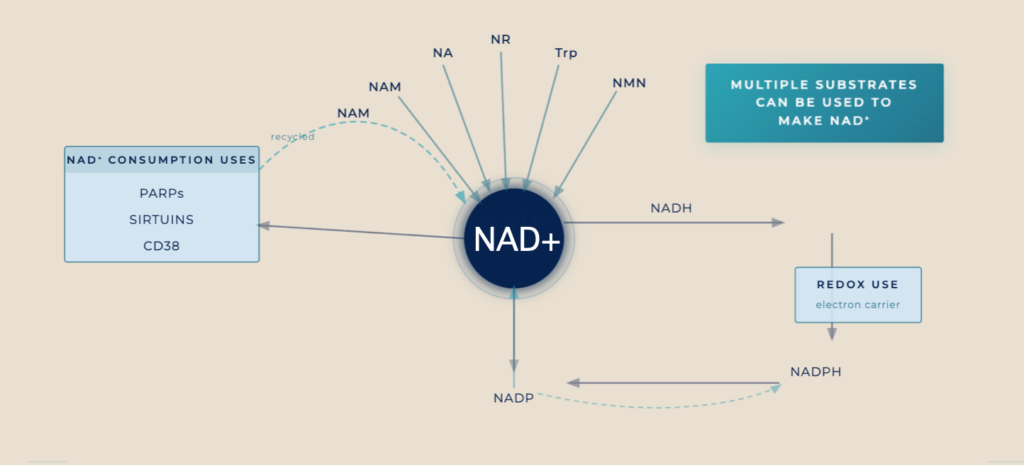
NAD+, or nicotinamide adenine dinucleotide, is a coenzyme found in every cell in our bodies. It helps mitochondria convert nutrients into energy we can use. NAD+ aids cellular repair processes and interacts with proteins that help regulate our metabolism and circadian rhythm. When NAD+ availability decreases, our cells struggle to meet the energy demands placed on them.
NAD+ levels do not remain stable throughout our lives. Starting in our late 20s, levels begin to decline as the pathways that produce, recycle, and consume NAD+ become less effective over time. This decline contributes to differences in energy production, recovery, and resilience during midlife compared to earlier years.
In this article
Why NAD+ Support Is More Complex Than Taking NMN Alone
NMN, or nicotinamide mononucleotide, is one of the direct precursors our bodies use to create NAD+. However, precursor supply is just one part of the equation. NAD+ levels are also influenced by how fast the molecule is consumed, how well cells recycle it, and how effectively mitochondrial energy metabolism operates.
One important enzyme in this process is CD38, which consumes NAD+ and becomes more active with age. Mitochondrial efficiency also declines over time, and the overall metabolic environment becomes less supportive. Given this context, while NMN is helpful, a broader formulation is more effective for supporting the entire system around NAD+, not just increasing precursor intake.
The RENEW Study
To test this formulation, the RENEW Study was conducted. This exploratory 60-day study involved 28 adults with an average age of 52, in partnership with PRUVN™ Research in California.
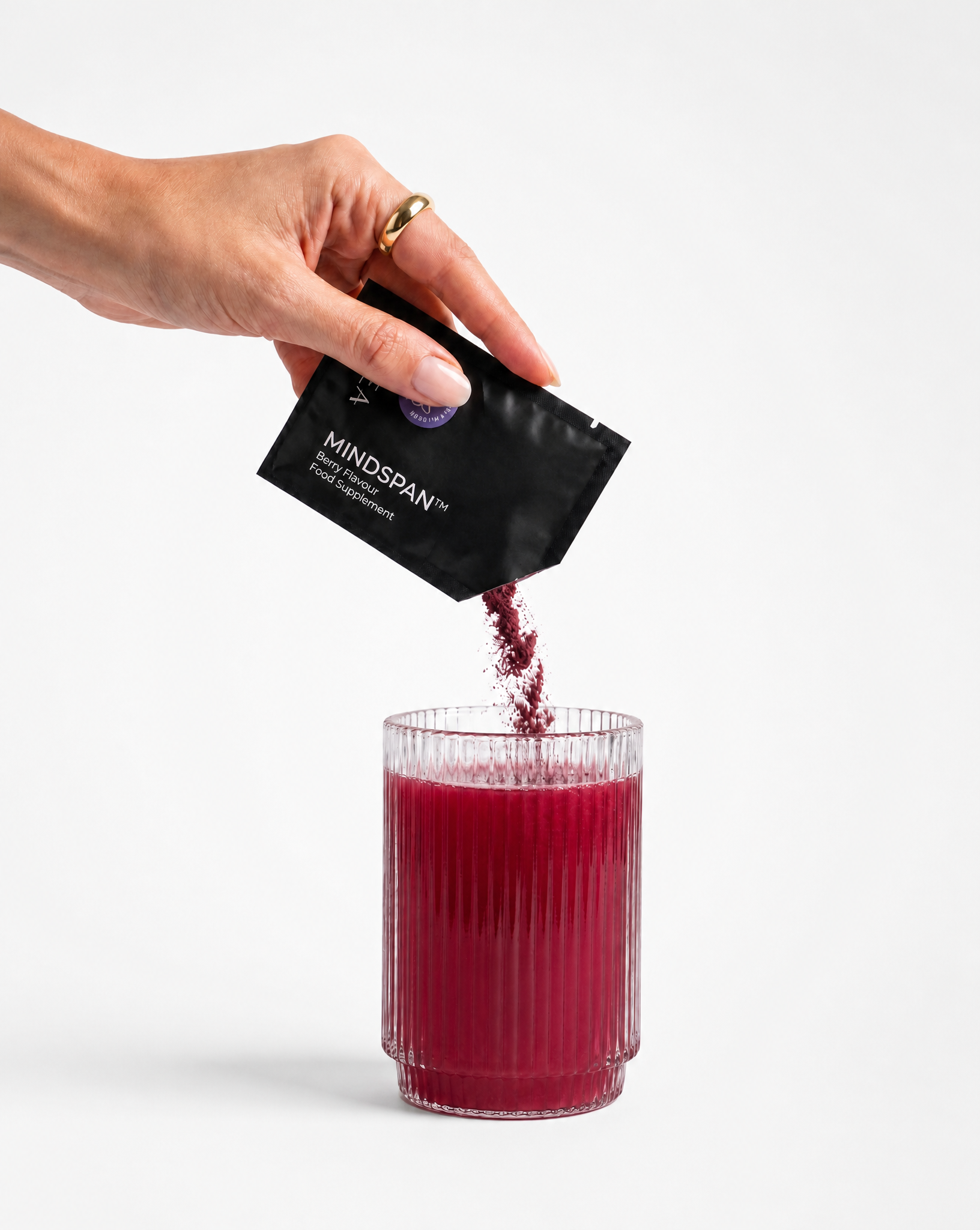
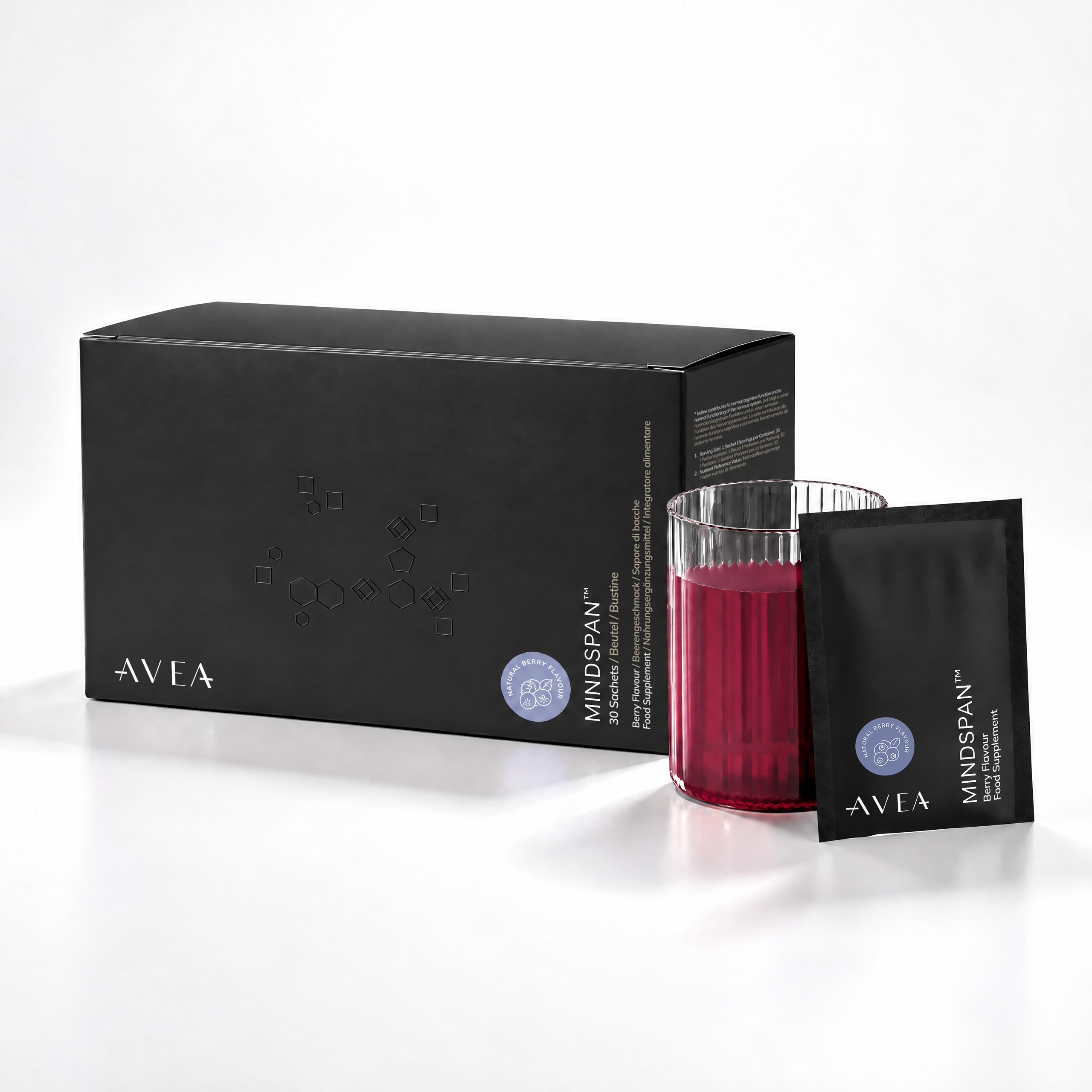
Participants used the AVEA Vitality Bundle daily for 60 days. The study evaluated:
- intracellular NAD+ levels
- mood-related self-report outcomes
- sleep-related self-report outcomes
- tolerability
The study provides valuable insight into the changes observed over 60 days in a defined group using the complete AVEA protocol.
1. Intracellular NAD+ Increased by 44%
One of the main findings was an average 44% increase in intracellular NAD+ levels after 60 days.
This result is more significant than a general blood measurement since intracellular NAD+ is closer to the biological target, where energy metabolism and cellular repair take place. A change of this magnitude in a 60-day exploratory study suggests a measurable shift in the intracellular NAD+ environment among participants who followed the protocol
2. Mood-Related Scores Improved
The study reported a 38% reduction in self-reported depression scores on the DASS-21 questionnaire.
Participants experienced better mood-related outcomes over the 60 days. While mood was not a primary endpoint and the product is not a treatment for depression, this finding aligns with a logical biological context: The brain relies heavily on energy, and changes in sleep quality, metabolic efficiency, and cellular energy can impact how people feel daily.
3. Sleep Disturbance Decreased
Participants also noted a 24% reduction in sleep disturbances and a 15% improvement in the Sleep Problems Index II on the Medical Outcomes Study Sleep Scale. The study documented better self-reported sleep outcomes over 60 days, but it did not pinpoint one single reason for that improvement.
The observed pattern makes sense: Sleep quality is connected to circadian regulation, mitochondrial function, and overall cellular energy status. When these systems are under stress, sleep often becomes lighter, less stable, or less refreshing.
What These Results Mean in Practical Terms
Over 60 days, a protocol built around 500 mg of NMN plus a multi-component Booster was associated with:
- higher intracellular NAD+ levels
- better self-reported mood outcomes
- lower self-reported sleep disturbance
- good short-term tolerability in most participants
These results illustrate what changed, how measurements were taken, and which daily outcomes improved alongside them for the participants.
How the Vitality Bundle Supports NAD+ Broadly
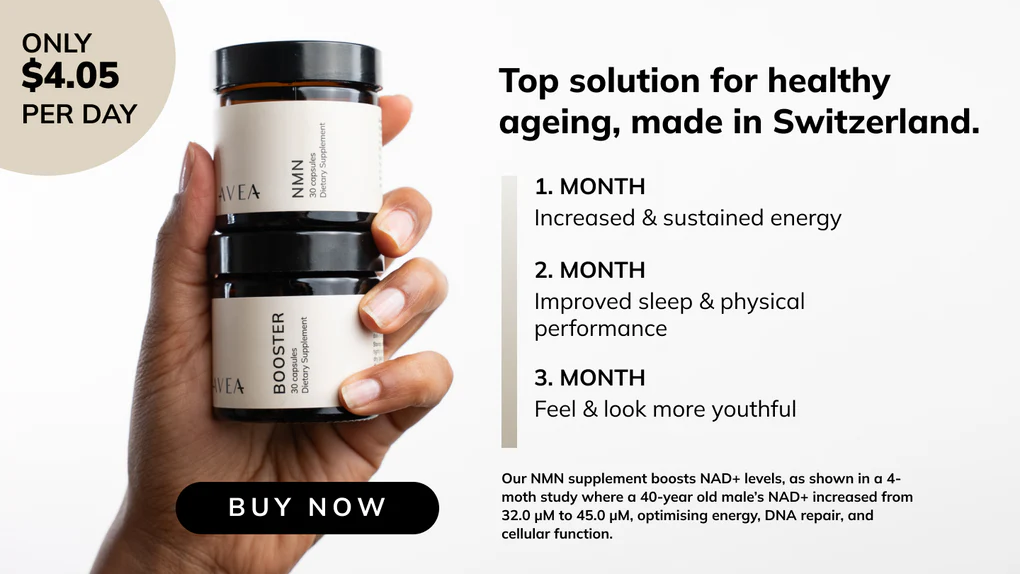
The AVEA Vitality Bundle combines NMN with a separate Booster formula that includes trans-resveratrol, ubiquinol, betaine, pterostilbene, apigenin, and nicotinamide:
- NMN provides a direct precursor for NAD+ production.
- Apigenin is included as it reduces the activity of CD38, one of the enzymes involved in NAD+ breakdown.
- Ubiquinol the reduced form of CoQ10, is crucial for mitochondrial electron transport, which is essential for cellular energy use.
- Betaine plays a role in methylation pathways, relevant in one-carbon metabolism and nicotinamide processing.
- Trans-Resveratrol and Pterostilbene are polyphenols studied for their roles in cellular stress response and metabolic regulation.
- Nicotinamide is incorporated to support the broader salvage pathways essential for efficient NAD+ recycling.
The selection of ingredients reflects a simple idea: If NAD+ availability depends on production, consumption, and mitochondrial efficiency, then a formula addressing only one aspect is unlikely to make significant changes.
Is the Vitality Bundle the Right Choice?
The AVEA Vitality Bundle is designed for those who want NAD+ support beyond just one precursor. This includes:
- a clearly labeled 500 mg NMN dose
- a formulation focused on related pathways, not just NMN
- human data on the exact protocol
- transparent ingredient information
- Swiss manufacturing standards
- raw materials sourced from verified suppliers
- 3rd party testing
So yes, the right choice for your NAD+ support needs is the Vitality Bundle from AVEA.
FAQs
What is the best time to take the Vitality Bundle?
AVEA recommends taking NMN and the Booster in the morning. NAD+ metabolism interacts with circadian biology, so morning use is the sensible default for most people.
How does intracellular NAD+ measurement differ from a standard blood test?
A standard blood test measures NAD+ in circulation. Intracellular measurement looks at NAD+ availability inside the cells themselves – where energy metabolism and cellular repair actually occur. The RENEW Study used intracellular measurement because that is the more relevant biological target.
How long before results from the Vitality Bundle are noticeable?
The RENEW Study ran for 60 days and measured changes across that full period. Results in this category build gradually – more stable energy, better sleep, and better recovery are the outcomes that tend to emerge over weeks rather than days.
Can the Vitality Bundle be taken alongside other supplements?
For most people, yes. Those with medical conditions, existing medications, or more complex health situations should check with a qualified clinician before starting.
References
Mantovani, M., et al. (2024). Sixty-Day AVEA Booster + NMN Supplementation: An Exploratory Single-Arm Study of NAD+, Mood, and Sleep in Adults. AVEA Life AG & PRUVN™ Research.
Kolotyeva, N. A., et al. (2024). Pathobiochemistry of Aging and Neurodegeneration: Deregulation of NAD+ Metabolism in Brain Cells. Biomolecules, 14(12), 1556.
Covarrubias, A. J., et al. (2021). NAD+ metabolism and its roles in cellular processes during ageing. Nature Reviews Molecular Cell Biology, 22(2), 119-141.
Katayoshi, T., et al. (2023). Nicotinamide adenine dinucleotide metabolism and arterial stiffness after long-term NMN supplementation. Scientific Reports, 13(1), 2786.
Hays, R. D., et al. (2005). Psychometric properties of the Medical Outcomes Study Sleep measure. Sleep Medicine, 6(1), 41-44.