




If you’ve tried resveratrol for anti-aging but didn’t see the results you wanted, there’s a simple biological reason. It’s not about the quality of your supplement.
Resveratrol activates proteins in your cells called sirtuins, which help keep your body healthy. Sirtuins repair DNA, manage energy, control inflammation, and slow aging. Resveratrol mainly activates SIRT1, but SIRT1 needs NAD+ as fuel. If your NAD+ is low, sirtuins slow down, no matter how much resveratrol you take.
The problem is that NAD+ levels drop by about half between your 20s and 50s. So, when most people start taking resveratrol for anti-aging, their NAD+ is already too low for sirtuins to work well. It’s like pressing the gas pedal in a car that’s almost out of fuel.
This article covers three things:
- Why resveratrol needs NAD+ – and how NMN solves that problem
- Why even NMN + resveratrol together still leaves gaps
- Why the AVEA Vitality Bundle is the most complete way to address all of them
In this article
Why NMN and resveratrol work better together than either alone
The best way to boost NAD+ is to give your cells the building blocks they need. NMN, or nicotinamide mononucleotide, does just that. Your cells turn NMN into NAD+ efficiently. Unlike NAD+ supplements, which your body doesn’t absorb well, NMN gets into cells and converts easily. Studies show that taking NMN can raise NAD+ levels in blood and tissues within weeks.
This is why NMN and resveratrol work better together. NMN restores the NAD+ that sirtuins need, while resveratrol activates those sirtuins. As Harvard researcher David Sinclair says, NMN is the fuel and resveratrol is the accelerator. Studies show that taking both increases NAD+ in heart tissue by 1.6 times and in muscle by 1.7 times compared to NMN alone.
Resveratrol does more than just activate sirtuins. It also boosts NAMPT, the enzyme that recycles nicotinamide back into NMN inside your cells. NAMPT controls how quickly your body can make new NAD+ from its breakdown products. By increasing NAMPT activity, resveratrol helps your body produce more NAD+ from within, not just use what’s already there. This creates a positive cycle: more NAD+ leads to more sirtuin activity, which increases NAMPT, which then boosts NAD+ recycling.
One increases the fuel supply, and the other makes sure it gets recycled efficiently.
Why this combination still leaves gaps
NMN and resveratrol together are genuinely more effective than either alone. But three problems remain that neither ingredient solves on its own.
Resveratrol’s bioavailability problem
Resveratrol breaks down quickly in the body, so its effects don’t last long. Pterostilbene, a similar compound found in blueberries and grapes, is absorbed about four times better and stays active much longer. Resveratrol gives a quick initial signal, while pterostilbene extends that signal after resveratrol wears off. Taking both together keeps SIRT1 active longer each day, giving your cells more time to repair.
NAD+ is being actively drained as you add it
An enzyme called CD38 breaks down NAD+. CD38 activity goes up as you age and causes much of the NAD+ loss in older adults. If you take NMN but don’t address CD38, you’re adding NAD+ while it drains away through a widening hole. Apigenin, a flavonoid found in plants like parsley and chamomile, is a well-studied CD38 inhibitor. By slowing this drain, apigenin lets NAD+ build up and stay high long enough for your cells to use it.
NAD+ recycling has a methylation bottleneck
When sirtuins and other enzymes use NAD+, they create nicotinamide as a byproduct. Your cells need to add a methyl group to nicotinamide before recycling it back into the NAD+ pathway. Without enough methyl donors, this recycling slows down, no matter how much NMN you take. Betaine provides the methyl groups needed for this step. Ubiquinol CoQ10 helps even more by making your mitochondria work better, so they can recycle NAD+ from its used form, NADH, and keep NAD+ levels up between doses.
If you don’t address these three gaps – bioavailability, active drainage, and recycling – NMN and resveratrol won’t work as well as they could.
Why the AVEA Vitality Bundle is the most complete solution
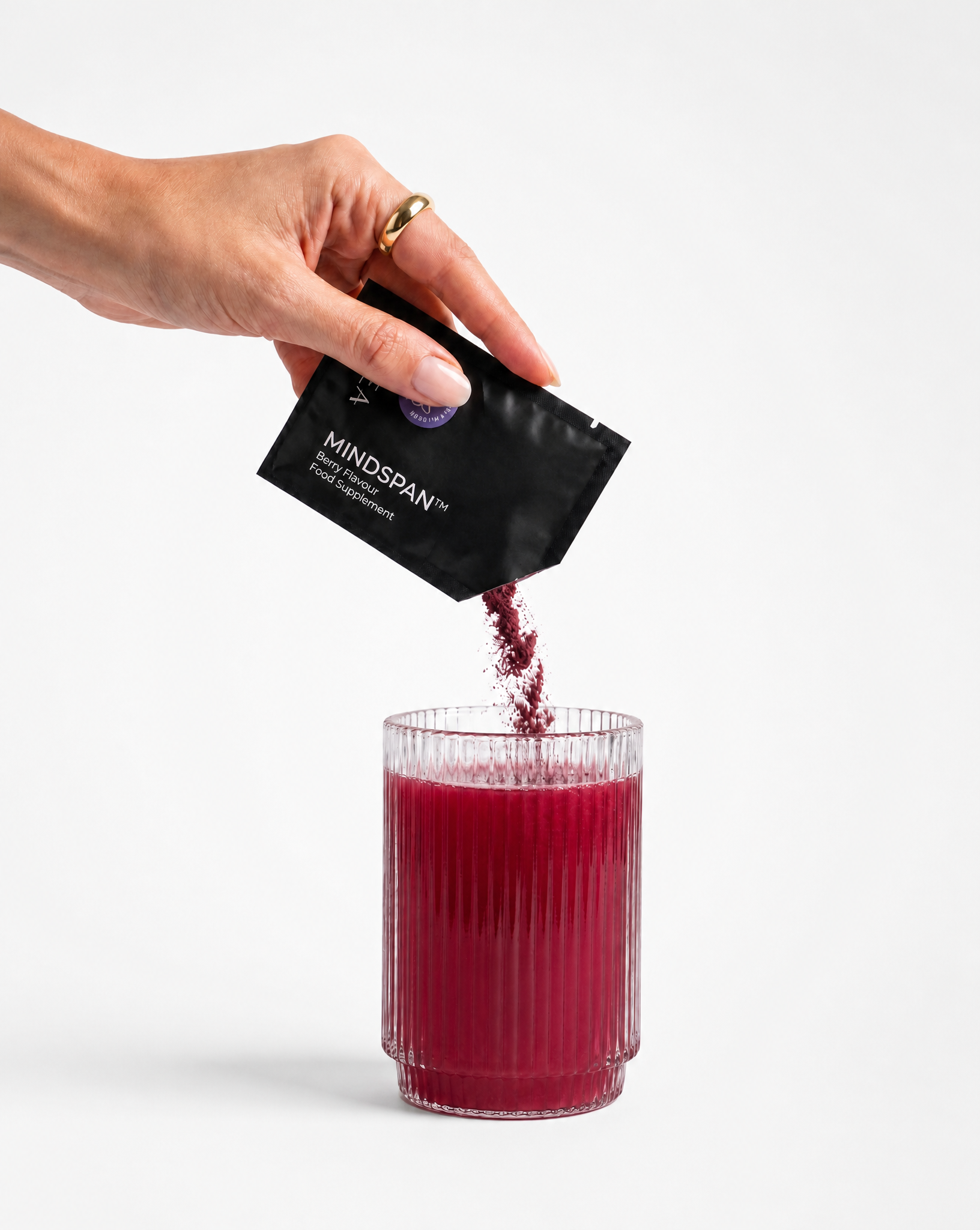
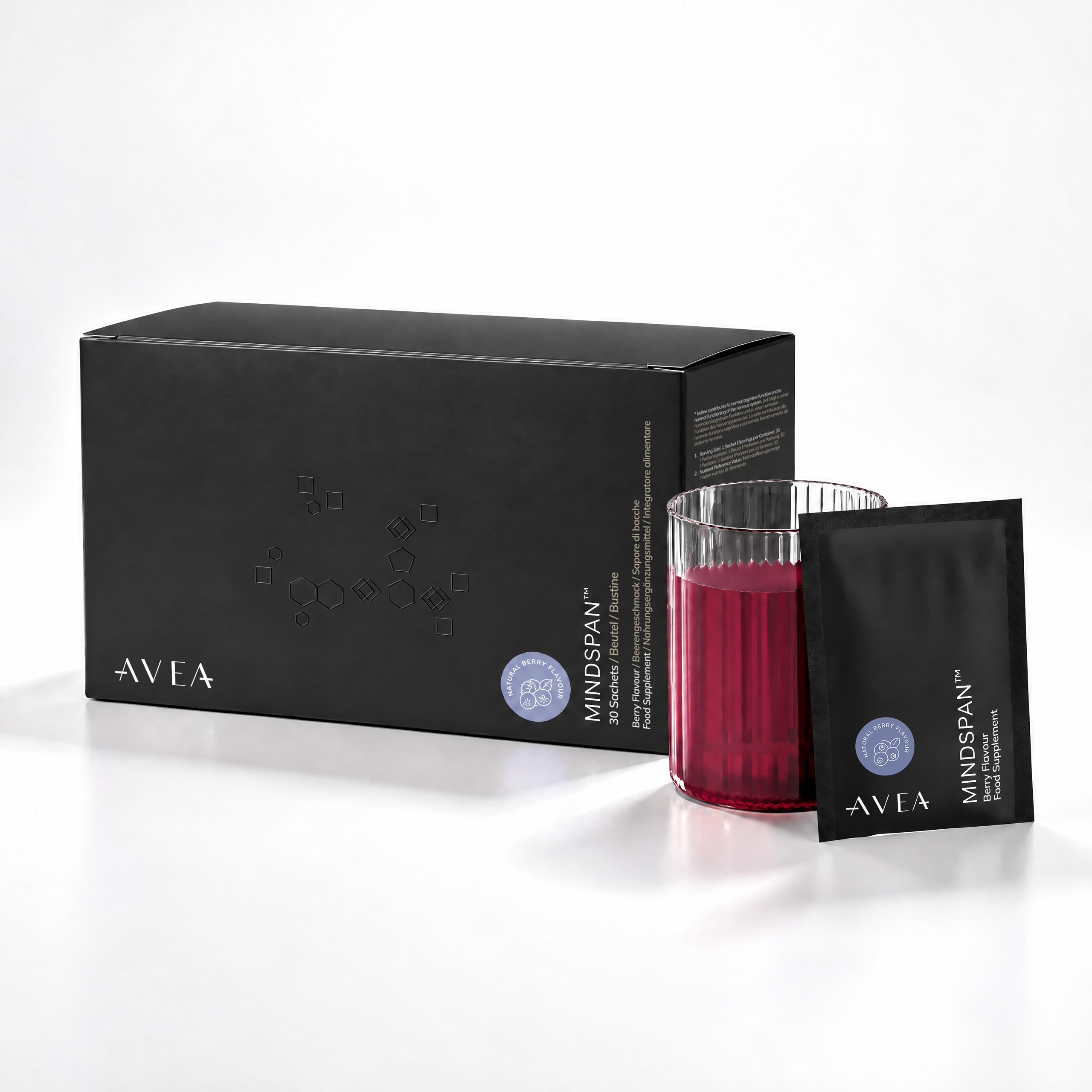
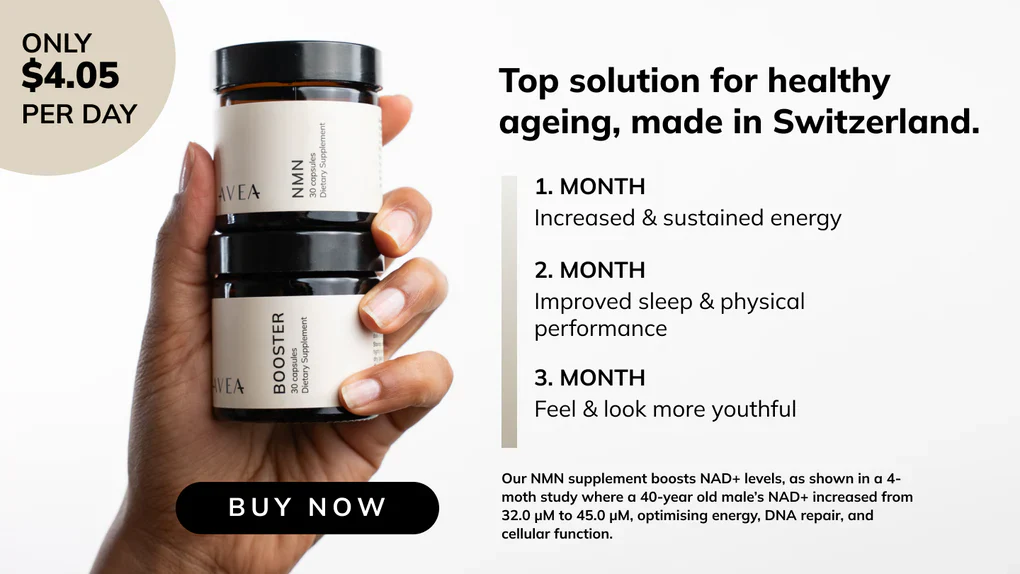
The AVEA Vitality Bundle was designed to fill these gaps. It combines NMN with the AVEA Booster, which has six ingredients that target parts of the NAD+ system that NMN alone can’t fix.
Here’s how the pairing works: NMN raises your NAD+ supply. Resveratrol activates sirtuins and boosts NAMPT to keep recycling going. Pterostilbene keeps that activation going throughout the day. Apigenin slows the CD38 drain so NAD+ can build up. Betaine keeps the methylation step of NAD+ recycling moving. Ubiquinol CoQ10 helps your mitochondria regenerate NAD+ between doses. The Booster also uses olive oil as a carrier to help your body absorb its fat-soluble ingredients, especially resveratrol and pterostilbene, so it works well whether you take it with food or not.
Why the quality of the NMN matters
AVEA gets its NMN only from Longevir™, a European manufacturer. The Vitality Bundle is made in GMP-certified facilities in Switzerland. Each batch is tested by Swiss labs and confirmed to be over 99% pure before it reaches customers.
This is more important than it might seem. Studies have found that many NMN products on the market contain less NMN than their labels claim, and some have none at all. Many brands use cheaper NMN from low-quality sources, so purity and actual NMN content can vary a lot. If the NMN isn’t reliable, the rest of the formula doesn’t matter.
Real results from the AVEA Vitality Bundle
AVEA’s Chief Scientific Officer, Sophie Chabloz, tracked her own NAD+ levels during an eight-week experiment. After a month without supplements, her NAD+ dropped to 15.4 µM. She felt less energetic, her immune response was weaker, and mornings were harder. Then she started taking the Vitality Bundle again.
| Protocol | NAD+ level | What she noticed |
| No supplementation (baseline) | 15.4 µM | Low energy, weaker immunity, difficult mornings |
| 250mg NMN + Booster (weeks 1–4) | 20.4 µM | Energy improved, morning waking became easier |
| 500mg NMN + Booster (weeks 5–8) | 35.2 µM | Sharper focus, faster recovery, stronger resilience |
AVEA also ran a 12-week study across 450 customers taking the Vitality Bundle.
| Outcome reported | Participants |
| Improved energy and focus | 88.5% |
| Improved general wellbeing | 77% |
| Improved mood and emotional balance | 77% |
Frequently asked questions
Can you take resveratrol and NMN together? Yes. NMN increases NAD+ in your cells, and resveratrol activates the sirtuins that use NAD+ for cell repair. Studies show NAD+ levels rise significantly more when you take both together than with NMN alone.
Does resveratrol increase NAD+ levels on its own? Indirectly, yes. Resveratrol upregulates NAMPT, which helps your body produce more NAD+ through the salvage pathway. But this works best when your cells already have an adequate NAD+ baseline – which is exactly what NMN provides.
What is the difference between resveratrol and pterostilbene? Both activate SIRT1, but pterostilbene is absorbed about four times better than resveratrol and stays active much longer. Resveratrol delivers an initial signal; pterostilbene extends it after resveratrol wears off. Taking both keeps SIRT1 active for more of the day.
How long does it take to feel the effects of NMN and resveratrol? Most people notice more energy and focus within two to four weeks. Bigger improvements in recovery and resilience tend to appear over eight to twelve weeks. In Sophie Chabloz’s experiment, NAD+ rose from 15.4 µM to 35.2 µM after eight weeks of consistent use.
What is the best way to take resveratrol and NMN for anti-aging? Raise NAD+ with NMN, activate sirtuins with resveratrol and pterostilbene, protect NAD+ from active drainage with apigenin, and support the recycling pathway with betaine and CoQ10. The AVEA Vitality Bundle covers all of these in one daily routine.