





If you feel constantly drained during menopause, you’re not imagining it – and you’re certainly not alone.
Many women describe a deep, persistent exhaustion during perimenopause and menopause that feels different from ordinary tiredness. They don’t just need more sleep, they often wake up unrefreshed, struggling to concentrate, or feeling low on energy even after a good night’s sleep and on days that don’t seem especially demanding.
Menopause fatigue – a persistent sense of exhaustion during the menopause transition – is one of the most commonly reported symptoms, and it often begins long before periods stop completely.
The good news is that menopause-related fatigue is common, understood, and manageable. Once you know what’s driving it, there are practical, evidence-based ways to support your energy and feel more like yourself again.
What Is Menopause Fatigue?
Menopause fatigue refers to ongoing low energy or exhaustion linked to the hormonal and physiological changes that happen during the menopause transition.
Everyone feels tired occasionally, but menopause fatigue tends to be:
- More persistent
- Harder to “sleep off”
- Often paired with poor sleep, brain fog, or low motivation
It may develop gradually or feel like it appears all at once, leaving many women wondering why their energy has changed so noticeably.
Why Does Menopause Make You So Tired?
If you’ve been wondering why menopause makes you feel so tired, the answer is rarely just one thing. Menopause fatigue usually develops from several overlapping factors happening at the same time.
Hormonal changes
As estrogen and progesterone levels fluctuate and decline, the systems they influence, including sleep regulation, mood balance, and energy metabolism, can be affected. These shifts can make it harder for the body to maintain steady energy throughout the day.
Sleep disruption
Night sweats, hot flashes, and insomnia are common during menopause. Even if you spend enough hours in bed, broken or restless sleep can prevent deeper, restorative rest, leading to persistent daytime fatigue.
Stress, mood, and mental load
Midlife often brings increased responsibilities, work pressure, caregiving, emotional stress, all while the body is adapting to hormonal change. Over time, these factors quietly drain energy, especially when stress resilience is already under strain.
Understanding the Stages: Perimenopause, Menopause, and Postmenopause
To understand menopause fatigue, it helps to know what’s happening at each stage, because fatigue doesn’t affect all stages equally.
Perimenopause is the transition period leading up to menopause, typically lasting 4-10 years. During this time, hormone levels fluctuate unpredictably, sometimes wildly. Estrogen and progesterone can swing high and low, often causing the most intense symptoms including severe fatigue, erratic sleep disruption, and unpredictable energy crashes. Periods may still be regular or become irregular. For many women, perimenopause is actually when fatigue feels worse. Perimenopause typically starts in a woman’s 40s but for some it can start as early as the mid 30s.
Menopause is officially reached when you haven’t had a period for 12 consecutive months. During this stage, hormone levels begin to settle into a new, lower baseline. While the “rollercoaster” of perimenopause may end, the lower levels of estrogen can still impact energy and how the body manages stress. Menopause starts around age 51 on average but some women experience it already in their mid 40s.
Postmenopause describes the years following the 12-month mark of having experienced no period. Some women find their energy improves as hormones stabilize, while others continue to experience fatigue, particularly if factors like sleep disruption or metabolic changes remain unaddressed.
Menopause Fatigue and Sleep: The Vicious Cycle
For many women, menopause insomnia and fatigue go hand in hand. Night sweats, difficulty falling asleep, or frequent waking can interfere with restorative sleep. Over time, this creates a cycle where poor sleep leads to low energy during the day, and ongoing fatigue makes it harder to fall or stay asleep at night. Improving sleep quality, not just sleep duration, is one of the most effective ways to support energy during menopause.
How to Boost Energy Naturally During Menopause (Safely)
If you’re looking for ways to boost energy during menopause, the goal isn’t to push through exhaustion, but to support your body so energy can return more naturally.
Support better sleep
- Keep a consistent sleep and wake time
- Create a cool, dark, comfortable bedroom
- Limit caffeine later in the day
Nourish your body
- Eat regular, balanced meals
- Focus on protein, whole foods, and steady blood sugar
- Stay hydrated, especially if night sweats are an issue
Move gently
- Walking, stretching, or light strength training can help increase energy over time
- Avoid intense workouts that leave you feeling more depleted
Manage stress
- Gentle breathing exercises, time outdoors, or short mental breaks help regulate stress hormones
- Reducing mental overload often restores more energy than doing more activity
Supplements to Support Energy and Resilience During Menopause
Lifestyle habits like sleep, nutrition, movement, and stress management form the foundation of energy during menopause. For many women, targeted nutritional support can also play a helpful role, especially when fatigue feels deeper or more persistent.
One of the key drivers of lower energy is reduced cellular energy. At AVEA, we focus on cellular energy, because energy isn’t just about how much you rest, it’s about how efficiently your cells produce and manage energy in the first place.
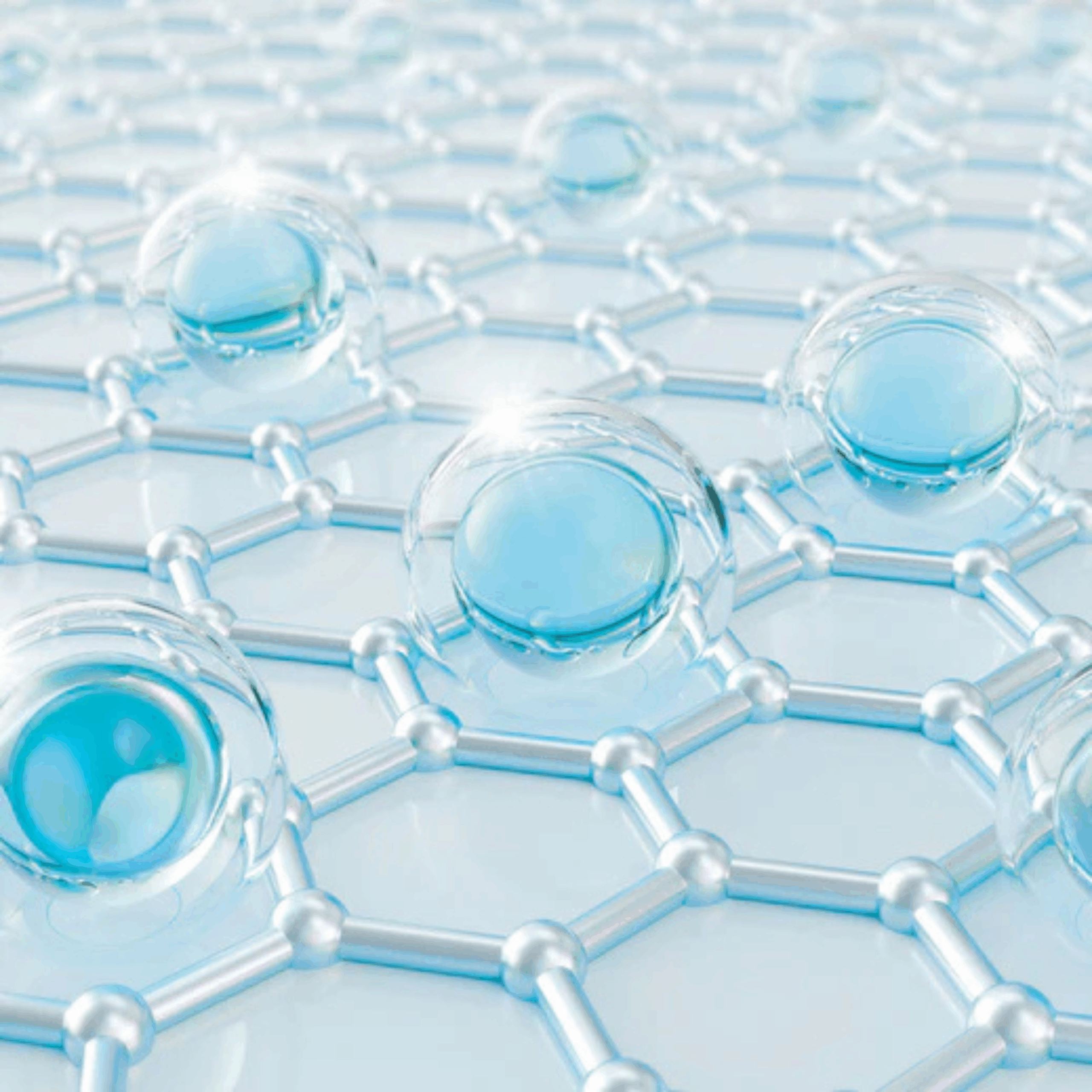
A key molecule involved in this process is NAD+ (nicotinamide adenine dinucleotide). NAD+ plays a central role in cellular energy production and repair, helping cells convert nutrients into usable energy and maintain normal cellular function. Research indicates that NAD+ is essential for the function of sirtuins—proteins often called “longevity genes” that regulate cellular health and stress resistance.
As we age, NAD+ levels naturally decline; by the time we reach our 40s and 50s, levels can be up to 50% lower than in our youth. Periods of hormonal change, chronic stress, and poor sleep further strain these energy-producing systems. This decline helps explain why energy can feel harder to access during perimenopause and menopause, even when lifestyle habits are relatively solid.
How to increase NAD+ during Perimenopause and Menopause: NMN and the Avea Approach
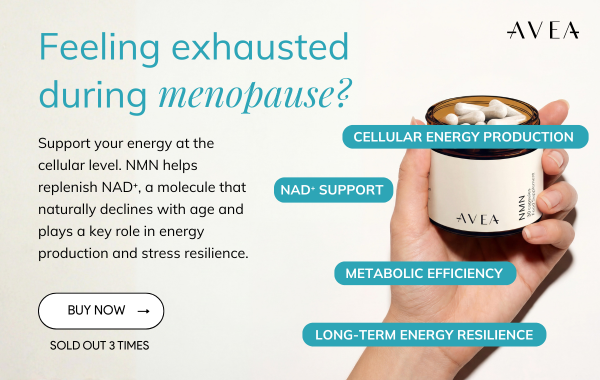
NMN (nicotinamide mononucleotide) is a precursor to NAD+, meaning it provides the body with the specific building blocks used to produce NAD+ through normal biological pathways.
Scientific interest in NMN has grown significantly due to its role in metabolic health. Studies have shown that supplementing with NMN can effectively raise NAD+ levels in human tissues, supporting mitochondrial function—the “powerhouses” of your cells. For women in menopause, this is crucial because:
- Improved Energy Metabolism: Clinical trials suggest NMN supplementation supports muscle insulin sensitivity and aerobic capacity, helping to combat the metabolic “sluggishness” often felt during the transition.
- Cellular Repair: By boosting NAD+, NMN helps fuel the enzymes responsible for DNA repair, which are often overworked during periods of high physiological stress like menopause.
- Circadian Support: Emerging research explores how NAD+ levels influence our internal “clocks,” potentially helping to stabilize the sleep-wake cycles that are frequently disrupted by night sweats and hormonal shifts.
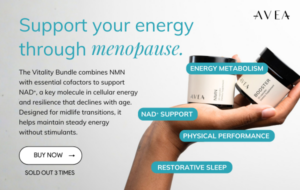
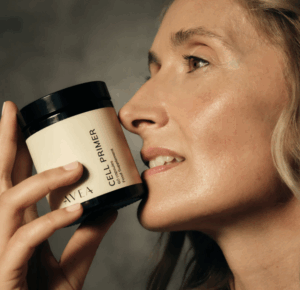
At AVEA, our NMN and Vitality Bundle are designed to support this foundational energy pathway. Rather than stimulating the nervous system with caffeine or masking fatigue with temporary fixes, these formulations aim to support the body’s natural ability to generate energy at the cellular level.
The Vitality Bundle also includes nutrients such as B-vitamins, which play established roles in normal energy metabolism. Together, these components support:
- Cellular energy production
- Metabolic efficiency
- Long-term resilience during demanding life stages
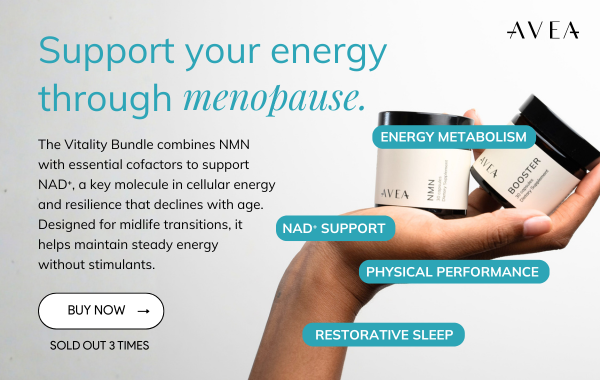
This approach is about consistency, not quick fixes. By supporting underlying cellular processes, the goal is to help energy feel steadier and more sustainable over time, especially during periods like menopause, when the body is adapting on multiple levels.
A Final Word
Feeling tired during menopause doesn’t mean you’re failing, lazy, or “just getting older”. It means your body is adapting to a significant transition. Supporting menopause fatigue starts with understanding what’s happening in your body, from sleep and stress to cellular energy, and responding with steady, sustainable habits and thoughtful nutritional support. With the right approach, it’s entirely possible to feel capable, resilient, and energized again at this stage of life and beyond.
Scientific References
- Yoshino, M., et al. (2021). “Nicotinamide mononucleotide increases muscle insulin sensitivity in prediabetic women.” Science. (Focuses on postmenopausal women specifically).
- Kim, M., et al. (2022). “Effect of 12-Week Intake of Nicotinamide Mononucleotide on Sleep Quality, Fatigue, and Physical Performance in Older Japanese Adults.” Nutrients.
- Clement, J., et al. (2019). “The Plasma NAD+ Metabolome is Dysregulated in Healthy Human Aging.” Rejuvenation Research.
- Irie, J., et al. (2020). “Effect of oral administration of nicotinamide mononucleotide on clinical parameters and nicotinamide metabolite levels in healthy Japanese men.” Endocrine Journal.
- Liao, B., et al. (2021). “Nicotinamide mononucleotide supplementation enhances aerobic capacity in amateur runners: a randomized, double-blind study.” Journal of the International Society of Sports Nutrition. (Supports metabolic efficiency findings).