





Nicotinamide mononucleotide (NMN) has emerged as one of the most promising supplements for supporting healthy aging and cellular energy. But with dosages in clinical trials ranging from 100mg to 1,250mg daily, how do you know which dose is right for you? This comprehensive guide examines the latest scientific research to help you make an informed decision about NMN supplementation.
What is NMN and Why Does NMN Dosage Matter?
NMN is a precursor to NAD+ (nicotinamide adenine dinucleotide), a critical coenzyme involved in energy production, DNA repair, and cellular health. NAD+ levels decline by approximately 50% between our 30s and 50s, contributing to age-related decline in energy, metabolism, and cellular function.
The right NMN dosage is crucial because:
• Too little may not provide meaningful NAD+ elevation
• The optimal dose appears to vary based on age, body weight, and individual metabolism
• Higher doses don’t always mean better results—clinical data shows diminishing returns beyond a certain point
What Clinical Trials Tell Us About NMN Dosages
Human clinical trials conducted between 2020-2024 have tested NMN at various dosages. Here’s what the science shows:
250mg: Well-Validated for Consistent Benefits
The 250mg daily dose has been extensively studied across multiple populations and shows reliable benefits:
Sleep and Physical Performance (2024): A 12-week randomized, placebo-controlled trial in healthy older adults (65-75 years) found that 250mg daily:
• Significantly increased blood NAD+ levels
• Improved walking speed in the 4-meter walking test
• Enhanced sleep quality with reduced daytime dysfunction
Muscle Function in Older Men (2022): In men aged 65+ years, 250mg daily for 12 weeks showed improvements in grip strength and gait speed, suggesting benefits for age-related muscle decline.
Metabolic Health (2021): In overweight or obese postmenopausal women with prediabetes, 250mg daily for 10 weeks significantly improved insulin sensitivity by an average of 25%.
Cardiovascular Markers (2023): A study using 250mg daily (125mg twice daily) for 12 weeks found trends toward improved arterial stiffness and elevated nicotinamide levels in serum.

300mg: Proven Efficacy in Middle-Aged Adults
A 60-day randomized, double-blind, placebo-controlled trial (Uthever study) in 66 healthy adults aged 40-65 using 300mg daily (150mg twice daily) demonstrated:
• 38% increase in blood NAD+/NADH levels after 60 days
• Improvement in general health scores (SF-36)
• Favorable insulin resistance trends
• Well-tolerated with no significant adverse events
Important note: This study measured blood NAD+ levels, which reflects circulating NAD+ but doesn’t capture what’s happening inside cells where NAD+ does most of its work.
500mg: Superior Intracellular NAD+ Elevation
While 500mg was established as safe in early trials, the recent RENEW study (2025) provides compelling evidence for this higher dose, particularly measuring intracellular NAD+—the most relevant marker for cellular function:
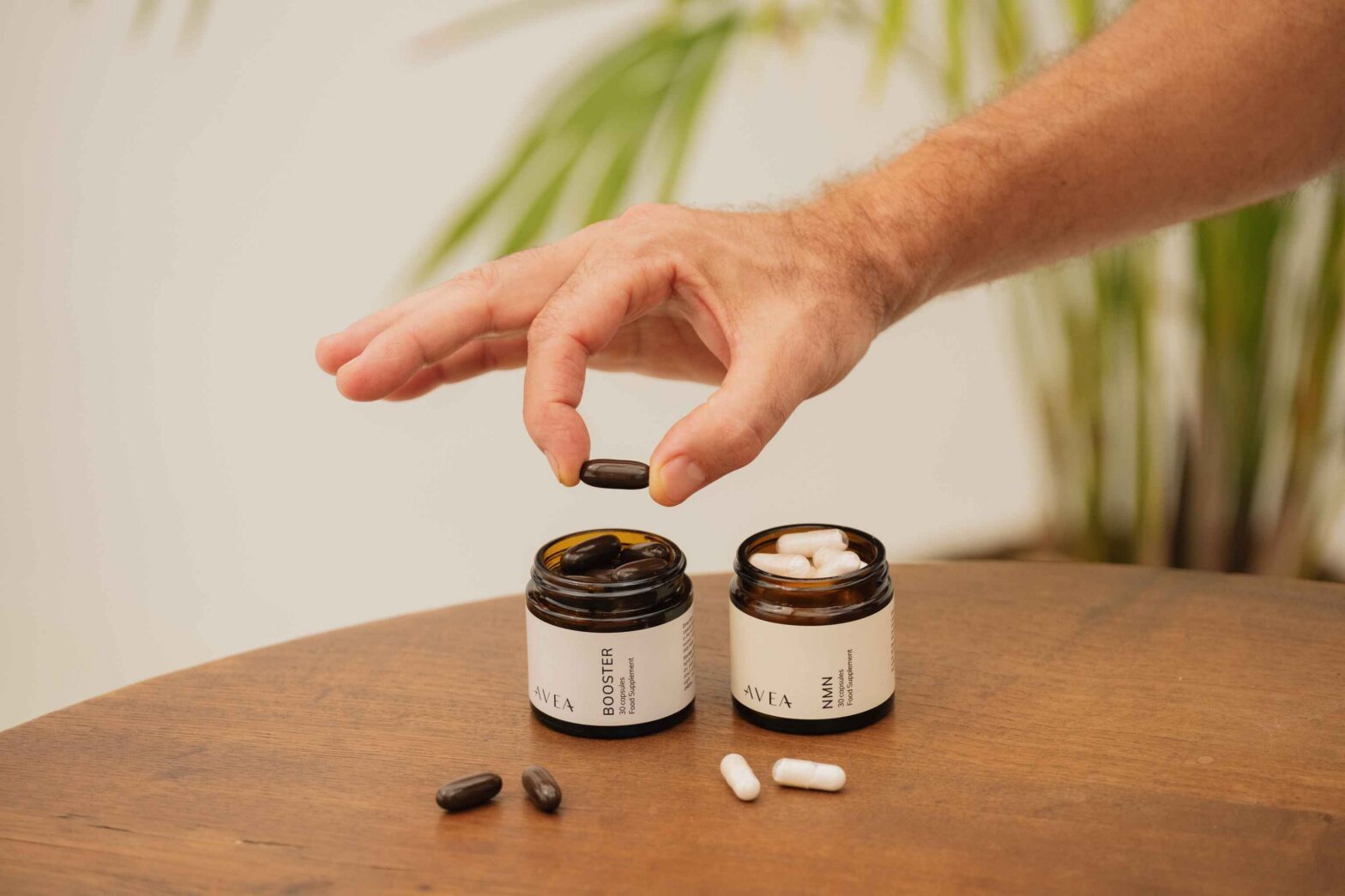
The RENEW Study (2025): An exploratory pilot study (n=28, mean age=52) using 500mg NMN combined with synergistic ingredients (Booster supplement) for 60 days found:
• 44% increase in intracellular NAD+ levels (p < 0.0001) with large effect size (Cohen’s d = 1.39)
• 24% reduction in sleep disturbance (p = 0.0080)
• 38% improvement in mood scores (p = 0.0499)
• 37% reduction in stress scores (trending toward significance, p = 0.0802)
• 15% reduction in overall sleep problems (p = 0.0425)
Why intracellular NAD+ matters: Blood NAD+ shows what’s circulating in your bloodstream, but intracellular NAD+ measures what’s actually available inside your cells for energy production, DNA repair, and activating longevity pathways like sirtuins. This is why the 44% intracellular increase at 500mg represents a significant advancement over blood NAD+ measurements alone.

600-900mg: The Ceiling Effect
A landmark 2022 dose-dependent clinical trial tested 300mg, 600mg, and 900mg daily in 80 middle-aged adults (40-65 years) over 60 days. Key findings:
• All doses significantly increased blood NAD+ levels
• 600mg showed the highest clinical efficacy for physical performance
• 900mg did not provide additional benefits over 600mg
• All doses prevented biological age increase seen in placebo group
This suggests a ceiling effect: Beyond 600mg, additional NAD+ elevation may not translate to greater functional benefits, indicating diminishing returns at very high doses.
Safety Profile: Up to 1,250mg
A 2022 safety study evaluated 1,250mg daily for 4 weeks in 31 healthy adults aged 20-65. Results showed:
• No serious adverse events
• No concerning changes in blood work or vital signs
• Well-tolerated across all participants
While high doses appear safe, clinical trials consistently show that dosages between 250-600mg provide the best balance of efficacy, value, and meaningful functional outcomes.
How to Choose Your Optimal NMN Dosage
Your ideal NMN dose depends on multiple factors. Here’s a practical framework:
Age-Based Recommendations
Under 40 years: Consider 250mg daily for maintenance. NAD+ decline is less pronounced at this age, and moderate doses provide solid benefits.
40-50 years: 250-500mg daily. This is when NAD+ decline accelerates. Start with 250mg and consider 500mg if you want to optimize intracellular NAD+ levels or if you experience plateau effects.
50+ years: 500mg daily is recommended to bridge the significant age-related NAD+ gap. Clinical evidence strongly supports this dose for maximizing intracellular NAD+ in older adults, with enhanced benefits for sleep, mood, and stress resilience.
Context-Based Adjustments
Consider a higher dose (500mg) during:
• Illness recovery or immune challenges
• Frequent travel or jet lag
• Intense training periods
• High stress or sleep deprivation
• When you want to maximize intracellular NAD+ for optimal cellular function
A maintenance dose (250mg) may suffice when:
• You’re new to NMN supplementation and want to start conservatively
• You practice regular intermittent fasting (which naturally supports NAD+ production)
• You exercise consistently
• Your NAD+ test shows you’re already in the optimal range
Long-Term Users: When to Upgrade from 250mg to 500mg
If you’ve been taking 250mg for several months and notice:
• Plateau in energy or cognitive benefits
• NAD+ test results showing suboptimal intracellular levels
• Diminishing sleep or recovery improvements
• You want to target deeper cellular NAD+ optimization
Consider upgrading to 500mg. Many experienced users find this dose reignites benefits and supports significantly higher intracellular NAD+ levels—the key metric for cellular health and longevity.
How to Know Your Dosage is Working
Determining if your NMN dose is effective involves both subjective markers and objective testing:
Physical Signs and Symptoms
Within 2-6 weeks of consistent supplementation, you may notice:
• Improved energy levels: More sustained energy throughout the day, less afternoon fatigue
• Enhanced sleep quality: Easier time falling asleep, fewer sleep disturbances, better morning alertness
• Better physical performance: Improved endurance, faster recovery from exercise, increased strength
• Cognitive improvements: Sharper focus, better mental clarity, enhanced memory
• Mood and stress resilience: More emotional stability, better stress management, improved overall well-being
Wearable and Tracking Data
Modern fitness trackers and health wearables can provide objective data:
• Sleep metrics: Deep sleep percentage, REM sleep duration, sleep efficiency scores, reduced wake-ups
• Heart rate variability (HRV): Higher HRV often indicates better recovery and stress resilience
• Resting heart rate: May decrease slightly as cardiovascular efficiency improves
• Recovery scores: Devices like WHOOP, Oura Ring, or Garmin provide daily readiness/recovery metrics
• VO2 max trends: Some studies show aerobic capacity improvements with NMN
Intracellular NAD+ Testing: The Gold Standard
The most accurate way to assess if your dosage is working is through direct NAD+ measurement. The Avea Longevity NAD+ Test offers an easy, at-home solution using a dried blood spot to measure your intracellular NAD+ levels—the same marker used in the RENEW study.
How to interpret your results:
• Optimal range: If your intracellular NAD+ levels are in the optimal or high-normal range for your age, your current dose is working well for maintenance.
• Low or suboptimal: If results show low intracellular NAD+ despite supplementation, consider upgrading to 500mg to actively boost cellular levels where it matters most.
• Baseline testing: Test before starting NMN, then retest after 60-90 days to measure your individual response and optimize your dose accordingly.
Testing takes the guesswork out of dosing and allows you to optimize based on your unique biology rather than general recommendations. Since intracellular NAD+ is the key marker for cellular health, this test provides the most relevant data for decision-making.
How to Elevate NAD+ Naturally (Beyond Supplementation)
While NMN supplementation provides direct NAD+ precursors, combining it with lifestyle strategies can amplify results and support your body’s natural NAD+ production:
1. Regular Exercise
Physical activity is one of the most powerful natural NAD+ boosters. Exercise increases NAMPT enzyme activity (the rate-limiting enzyme in NAD+ production) and enhances mitochondrial function.
Most effective approaches:
• High-Intensity Interval Training (HIIT): Short bursts of intense activity create beneficial cellular stress that triggers NAD+ production
• Resistance training: Builds muscle mass, which naturally requires more NAD+ for energy metabolism
• Endurance exercise: Running, cycling, or swimming enhance mitochondrial biogenesis
Recommendation: Aim for 150 minutes of moderate exercise weekly, incorporating 2-3 HIIT sessions and 2-3 strength training sessions.
2. Intermittent Fasting and Time-Restricted Eating
Fasting activates AMPK (AMP-activated protein kinase), which stimulates NAD+ production and activates sirtuins—longevity proteins that depend on NAD+ to function.
Effective fasting protocols:
• 16:8 method: Fast for 16 hours, eat within an 8-hour window (e.g., skip breakfast, eat 12pm-8pm)
• 5:2 pattern: Eat normally 5 days, restrict calories by 75% for 2 non-consecutive days
• Prolonged fasting: Occasional 48+ hour fasts (consult healthcare provider first)
Fasting depletes NADH and forces the body to regenerate NAD+, creating a favorable NAD+/NADH ratio critical for cellular health.
3. NAD+-Supporting Diet
While food alone can’t match supplementation, certain nutrients provide building blocks for NAD+ synthesis:
Vitamin B3 (Niacin) sources:
• Turkey, chicken, tuna, salmon
• Mushrooms (especially crimini)
• Brown rice, peanuts, sunflower seeds
Tryptophan-rich foods (converts to NAD+ via kynurenine pathway):
• Eggs, cheese, milk
• Poultry and fish
• Pumpkin and sesame seeds
Polyphenol-rich foods (activate sirtuins):
• Blueberries, red grapes
• Green tea
• Dark chocolate (70%+ cacao)
4. Optimize Sleep Quality
NAD+ metabolism follows circadian rhythms. Quality sleep maintains optimal NAD+ levels by supporting healthy circadian function.
Sleep optimization strategies:
• Consistent sleep schedule (same bedtime and wake time daily)
• Limit blue light exposure 2-3 hours before bed
• Keep bedroom cool (65-68°F / 18-20°C)
• Aim for 7-9 hours nightly
5. Minimize NAD+ Depletion
Certain habits accelerate NAD+ consumption:
• Limit alcohol: The liver uses large amounts of NAD+ to process alcohol
• Manage stress: Chronic stress and high cortisol negatively impact NAD+ metabolism
• Reduce inflammation: Chronic inflammation depletes NAD+ reserves
• Protect from UV damage: Excessive sun exposure damages cells and reduces NAD+ levels
The Synergistic Approach
Combining NMN supplementation with these lifestyle strategies creates a synergistic effect. You may find that:
• Lower NMN doses (250mg) provide good results when paired with regular exercise and fasting
• Higher doses (500mg) deliver maximum intracellular NAD+ optimization, especially during high-stress periods
• Healthy habits preserve the NAD+ boost from supplementation, making results more sustainable
Finding Your Personal NAD+ Strategy
The optimal NMN dosage isn’t one-size-fits-all. Based on current clinical evidence:
• 250mg daily is well-validated for maintenance and shows consistent benefits across multiple studies, making it excellent for those under 50 or with healthy lifestyles
• 500mg daily offers superior intracellular NAD+ elevation (44% increase) with enhanced benefits for sleep, mood, and stress resilience—particularly valuable for adults over 50, long-term users experiencing plateau, or those seeking to maximize cellular NAD+ levels
• 600mg appears to be the ceiling for functional benefits based on dose-response studies
The most personalized approach combines:
1. Baseline intracellular NAD+ testing to understand your starting point
2. Starting with an appropriate dose (250mg for under 50 or new users, 500mg for 50+ or optimization)
3. Supporting supplementation with exercise, fasting, quality sleep, and NAD+-friendly nutrition
4. Retesting after 60-90 days to assess response and optimize dosage
5. Monitoring subjective markers (energy, sleep, performance) alongside objective data
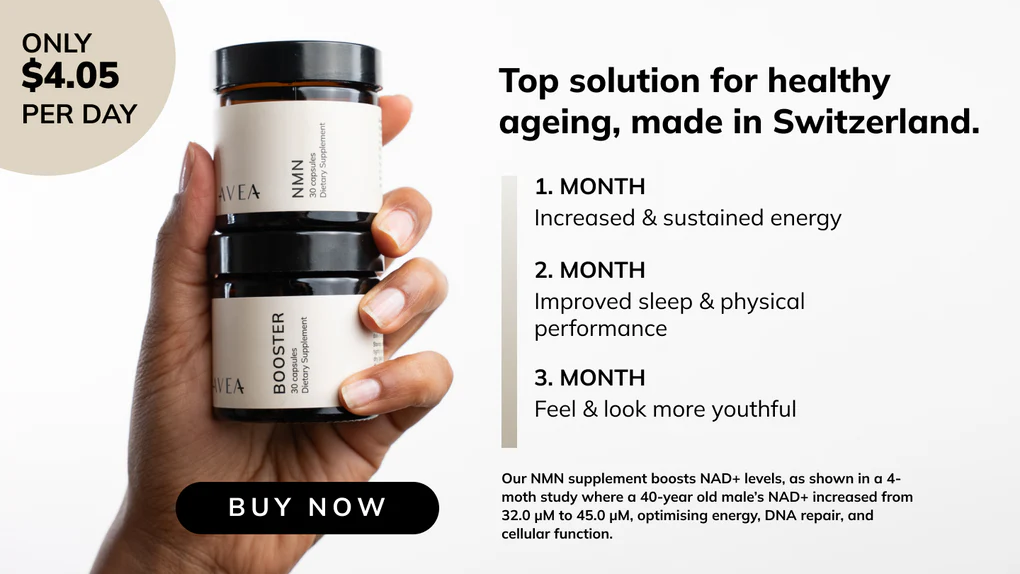
Ready to optimize your NAD+ levels? Explore the Avea Vitality Bundle with flexible dosing options (250mg or 500mg NMN), or test your current intracellular NAD+ levels with the Longevity NAD+ Test to make data-driven decisions about your supplementation strategy.
Scientific References
1. Yi L, et al. (2022). The efficacy and safety of β-nicotinamide mononucleotide (NMN) supplementation in healthy middle-aged adults: a randomized, multicenter, double-blind, placebo-controlled, parallel-group, dose-dependent clinical trial. GeroScience.
2. Morifuji M, et al. (2024). Ingestion of β-nicotinamide mononucleotide increased blood NAD levels, maintained walking speed, and improved sleep quality in older adults. Nutrients.
3. Igarashi M, et al. (2022). Chronic nicotinamide mononucleotide supplementation elevates blood nicotinamide adenine dinucleotide levels and alters muscle function in healthy older men. NPJ Aging.
4. Yoshino J, et al. (2021). Nicotinamide mononucleotide increases muscle insulin sensitivity in prediabetic women. Science.
5. Fukamizu Y, et al. (2022). Safety evaluation of β-nicotinamide mononucleotide oral administration in healthy adult men and women. Scientific Reports.
6. Okabe K, et al. (2023). Nicotinamide adenine dinucleotide metabolism and arterial stiffness after long-term nicotinamide mononucleotide supplementation. Scientific Reports.
7. Huang P, et al. (2022). A multicentre, randomised, double blind, parallel design, placebo controlled study to evaluate the efficacy and safety of Uthever (NMN supplement) in middle aged and older adults. Frontiers in Aging.
8. Yu B, et al. (2024). The versatile multi-functional substance NMN: its unique characteristics, metabolic properties, pharmacodynamic effects, clinical trials, and diverse applications. Frontiers in Pharmacology.
9. Song Q, Zhou X, et al. (2023). The safety and antiaging effects of nicotinamide mononucleotide in human clinical trials: an update. Advances in Nutrition.
10. AVEA RENEW Study (2025). Sixty-Day AVEA Booster + NMN Supplementation: An Exploratory Single-Arm Study of NAD+, Mood, and Sleep in Adults. AVEA LIFE AG & PRUVN Research.